

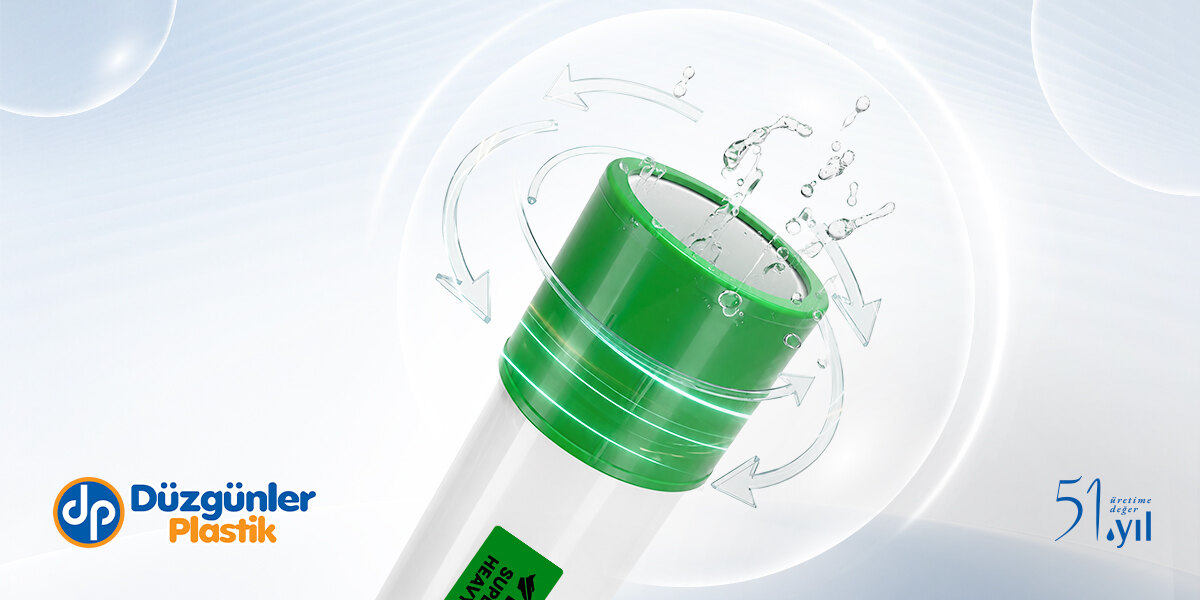
How to Calculate U-PVC Column Pipe Diameter
U-PVC column pipe diameter is calculated from the pump flow rate and the target water velocity using D = √(4Q ÷ πV). The final pipe selection must also be checked against well depth, friction loss, operating pressure and the total suspended load carried by the pipe string.
What Is a Column Pipe?
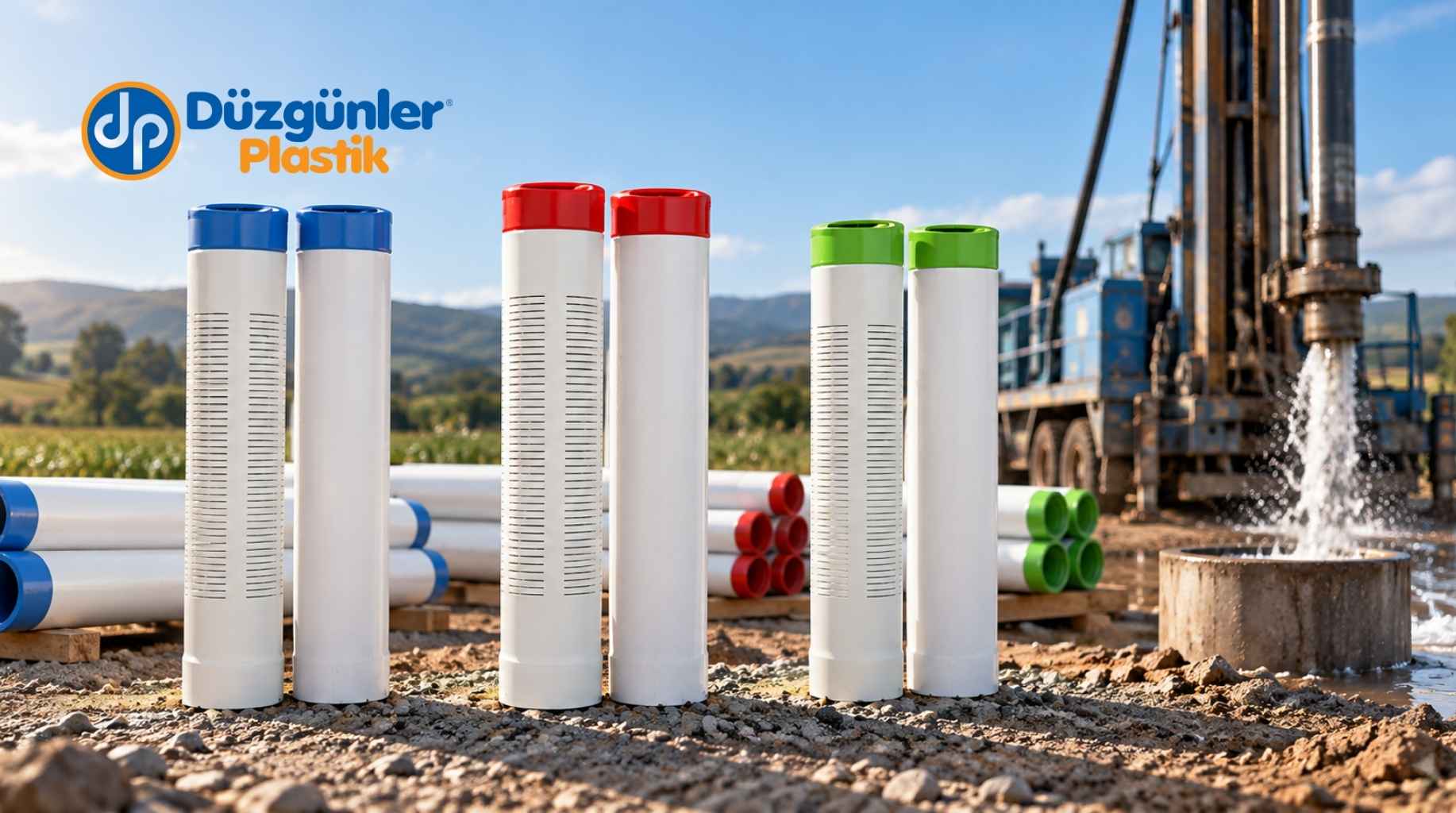
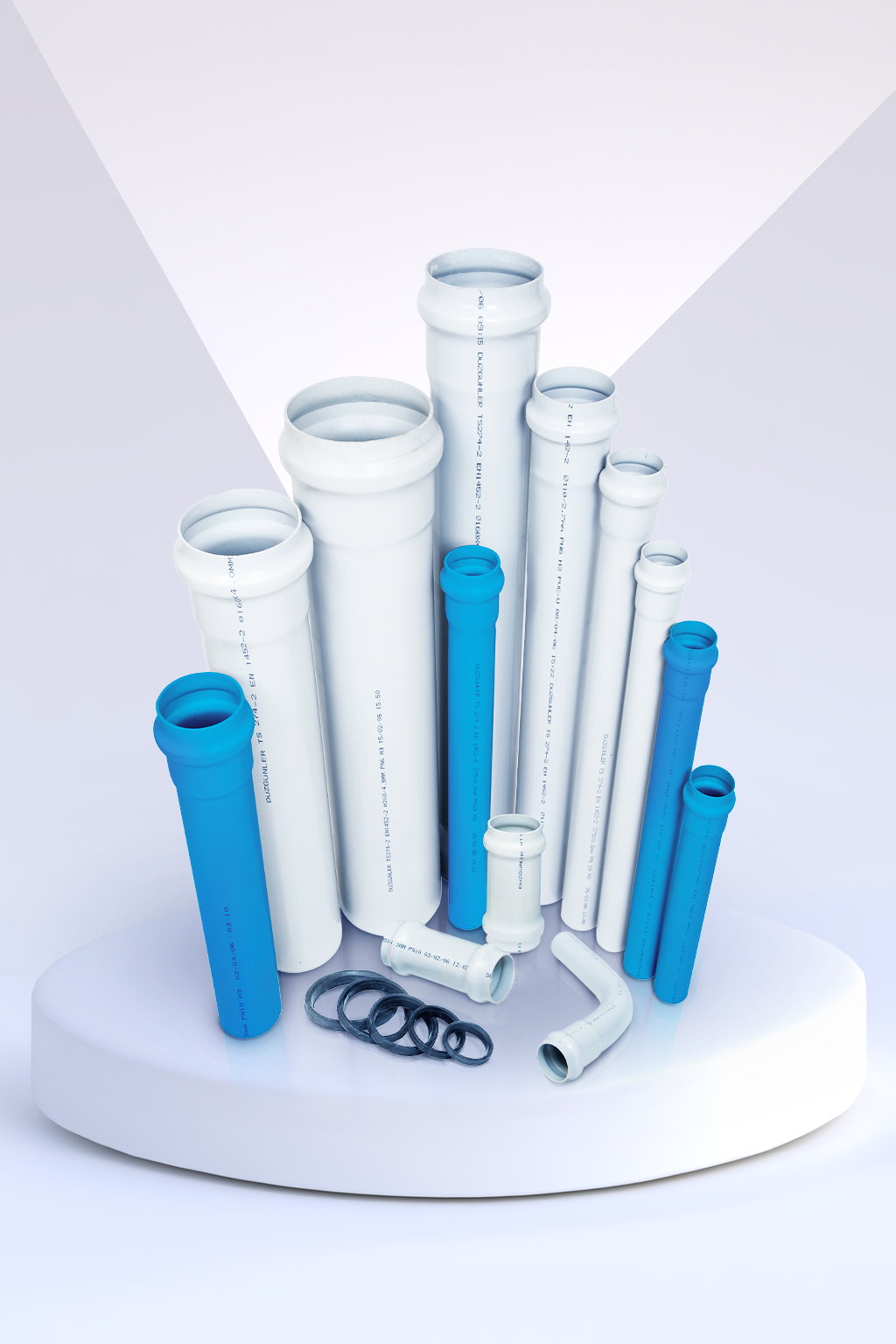
A column pipe for a submersible pump carries water from the pump to the surface. It may also support the suspended weight of the pump, water-filled pipe string, power cable and connection components.
U-PVC column pipes can provide:
- Corrosion resistance
- Lower weight than steel alternatives
- Smooth internal surfaces
- Easier handling and installation
- Detachable threaded connections
- Low friction loss when correctly sized
A column pipe should not be selected only as a water delivery pipe. It is both a hydraulic and load-bearing component of the borewell system.
What Information Is Required to Size a Column Pipe?
Collect the following information before starting the calculation:
- Pump operating flow rate in m³/h or L/s
- Target water velocity in m/s
- Total well depth
- Pump installation depth
- Static and dynamic water levels
- Pump outlet size and outside diameter
- Actual pipe inside diameter
- Required total dynamic head
- Pipe pressure and tensile-load ratings
Nominal size and actual inside diameter are not necessarily identical. A heavier pipe series normally has a thicker wall, which can reduce its internal flow area even when the nominal pipe size remains unchanged.
What Formula Is Used to Calculate Column Pipe Diameter?
For a pipe flowing full, the continuity equation is:
Q = A × V
The cross-sectional area of a circular pipe is:
A = πD² ÷ 4
Combining these equations gives:
D = √(4Q ÷ πV)
Where:
- D: Required internal diameter in metres
- Q: Flow rate in m³/s
- V: Average water velocity in m/s
- π: Approximately 3.1416
If the pump flow is stated in m³/h, divide it by 3,600 before using the formula. The continuity equation confirms that volumetric flow equals cross-sectional area multiplied by average velocity.
How Do You Calculate Diameter for a 20 m³/h Pump?
Assume a pump operating flow of 20 m³/h and a preliminary target velocity of 1.5 m/s.
Step 1: Convert the flow rate
Q = 20 ÷ 3,600 = 0.00556 m³/s
Step 2: Apply the diameter formula
D = √[(4 × 0.00556) ÷ (3.1416 × 1.5)]
Step 3: Calculate the result
D ≈ 0.0687 m = 68.7 mm
The calculated value is the minimum theoretical inside diameter, not the nominal product size. Select the next available pipe whose actual bore is not smaller than the calculated diameter.
The selected product must then be checked for friction loss, operating pressure, pump weight and permissible suspended load.
How Does Water Velocity Affect Pipe Diameter?
For a fixed flow rate, reducing pipe diameter increases water velocity. Excessive velocity can increase friction loss, pumping energy and the effect of pressure surges.
Increasing the diameter normally reduces velocity and friction loss, but it also increases the initial material cost. The best column pipe for a borewell is therefore not automatically the largest or least expensive option.
The University of Florida’s irrigation pipeline guidance recommends keeping water velocity at approximately 5 ft/s, or about 1.5 m/s, or below as a general rule for limiting friction and potentially damaging surge pressure. This is a preliminary design guideline rather than a universal product limit.
What Is the Difference Between 2-Inch and 3-Inch Column Pipes?
| Selection factor | 2-inch column pipe | 3-inch column pipe |
|---|---|---|
| Flow capacity | Lower | Higher |
| Velocity at the same flow | Higher | Lower |
| Friction loss | Usually higher | Usually lower |
| Initial cost | May be lower | May be higher |
| Energy requirement | Can rise with high loss | Can fall when correctly sized |
| Compatibility | Check pump outlet | Check pump and bore diameter |
A 2-inch U-PVC column pipe price may appear attractive, but a narrow pipe can create substantial energy loss in a deep installation. Purchase price should therefore be considered together with operating cost.
Why Must Friction Head Loss Be Calculated?
Water loses energy as it moves along the pipe wall and through couplings, bends and valves. The Darcy-Weisbach relationship links friction head loss with pipe length, internal diameter, water velocity and friction factor.
The DOE fluid-flow reference expresses the relationship as:
hf = f × (L ÷ D) × (V² ÷ 2g)
Even a modest loss per metre becomes significant in a deep borewell. Friction loss must be added to the static lift and required outlet pressure when calculating the pump’s total dynamic head.
How Does Well Depth Affect the Pipe Series?
Two pipes with the same nominal diameter may not be suitable for the same installation depth. As the column becomes longer, the pipe must carry greater combined loads from:
- Its own weight
- Water contained inside the pipe
- The submersible pump
- Cable and accessories
- Pump starting torque and vibration
- Internal pressure and transient pressure
For this reason, selecting DCP Medium Plus, Standard Plus, Heavy or Super Heavy requires more than a diameter calculation. The project values must be compared with the manufacturer’s current pressure and tensile-load tables.
Why Choose Düzgünler Plastik U-PVC Column Pipes?
According to its corporate history, Düzgünler Plastik was founded by Ekrem Düzgün in 1975 and became Turkiye’s first producer of plastic column pipes for submersible pumps. Today, the company manufactures U-PVC column pipes, deep-well casing pipes, latched sprinkler pipes and HDPE PE100 pipes.
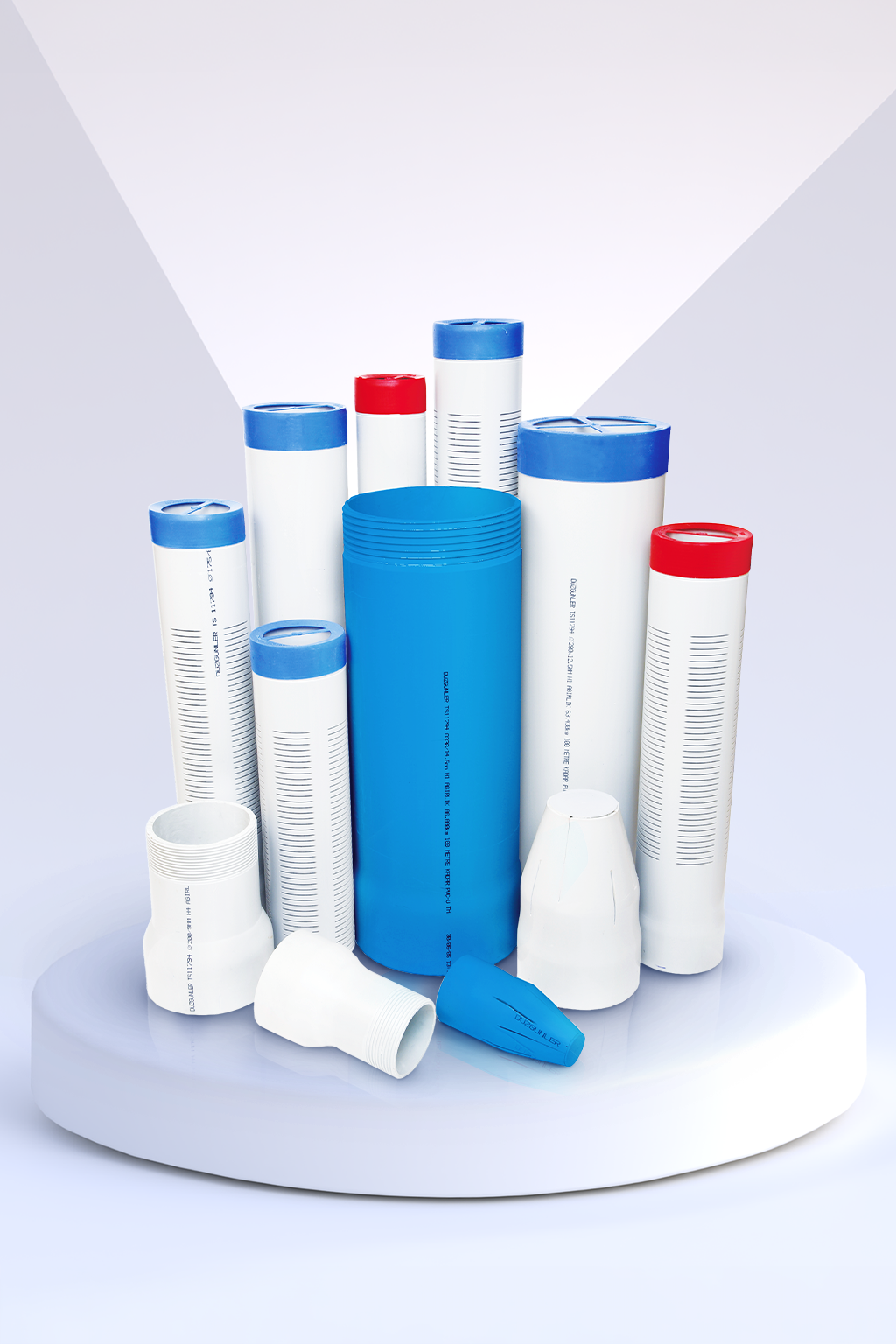
Düzgünler Plastik offers DCP Medium Plus, Standard Plus, Heavy and Super Heavy U-PVC column pipe series. Their square-threaded coupling and O-ring structure is designed to provide secure connections for different well conditions.
The suitable series must be selected using actual pump data, borewell depth, working pressure and suspended load—not keyword searches or nominal diameter alone.
Frequently Asked Questions
Is column pipe diameter selected only from the pump outlet?
No. The outlet determines connection compatibility, while flow, velocity, friction loss, well depth and mechanical load determine the appropriate pipe.
Should I use inside or outside diameter in the formula?
Use the actual inside diameter for hydraulic calculations. Outside diameter is relevant when checking physical compatibility with the borewell and fittings.
Is a larger column pipe always better?
No. A larger bore can reduce friction but may increase purchase cost, weight and installation requirements. The correct size balances hydraulic loss, structural safety and cost.
Why do U-PVC column pipe prices vary?
Prices vary with diameter, wall thickness, pipe series, pressure rating, joint design, raw-material costs and order quantity. Products should be compared using equal technical specifications.
How deep can a plastic column pipe be installed?
There is no single universal depth. The limit depends on pipe-series tensile capacity, pump weight, water-column weight, operating pressure and transient loads.
People Also Ask – PAA
What column pipe diameter is required for 20 m³/h?
At a preliminary velocity of 1.5 m/s, the theoretical inside diameter is approximately 68.7 mm. Select the next suitable standard size after checking its actual bore and structural rating.
How can friction loss in a column pipe be reduced?
Use an appropriate inside diameter, avoid unnecessary restrictions, use compatible couplings and follow the manufacturer’s installation instructions.
Are column pipes and borehole casing pipes the same?
No. A borehole casing or screen supports the well structure and controls water entry. A column or drop pipe carries pumped water from the submersible pump to the surface.
Technical author note: Before publication, the calculations should be reviewed by a named Düzgünler Plastik mechanical, plastics or irrigation-systems engineer whose qualifications and relevant experience can be displayed on the author profile.
For more information about our products and production processes, please contact us.
For more content, please visit our blog.
Similar Blogs